
10 Habits That Make Clothes Last Longer
How to make clothes last longer is less about any single product and more about a handful of habits repeated through the week: how often you wash, how you dry, where you store and when you repair. None of the ten habits below is difficult, and most take less time than the routine they replace. Together they keep favourite pieces in use for longer.
The case for doing so is practical and environmental. WRAP’s research found that extending the life of clothing by an extra nine months of active use would reduce carbon, waste and water footprints by around 20 to 30 per cent each. A wardrobe in which clothes last longer also costs less to run, because fewer pieces need replacing.
What actually wears clothes out
Clothes rarely fail because of age alone. They wear out through friction in the wash, heat in the dryer, moisture trapped in storage, sweat and soil left in the fibres, strong light and the weight of a crushed wardrobe. Most of these are within your control, which is why habits matter more than any single product, and why the ten below start with what happens before and after each wear.
1. Wash less often, and air clothes instead
Not every wear needs a wash. Each wash puts wear on the fabric, and many garments are ready to wear again after a night on a hanger in a ventilated room. Wash a piece when it is marked, smells of wear or has been worn against the skin for a full day. The Love Your Clothes campaign advises airing clothes to freshen them, and the same approach saves water and energy as well as fibre. Jeans, coats and knitwear usually go longest between washes, while shirts, activewear and anything worn closest to the skin need washing more often.
2. Wash cooler and more gently
The short answer to how to wash clothes so they last longer is cooler, shorter and gentler. Many everyday items can be washed at 30°C, which the Love Your Clothes leaflet notes helps clothes last longer and saves energy. Turn garments inside out, fasten zips, put delicates in a mesh bag and avoid overloading the drum, so that fabrics rub against each other less. Use the dose on the pack, because too much detergent can leave residue in the fibres.
3. Read the care label, then ask
A care label is the maker’s starting point, and it tells you what the maker considers safe. Read it before the first wash, and ask a specialist about anything it leaves unclear, or anything that carries no label. Some items need their own routine altogether. Swimwear is the clearest case, and our guide to swimwear care shows how to make clothes last when chlorine, salt and sun are working against them. For labels in general, read our guide to how to read care labels.
4. Treat stains early, and never press over them
A fresh mark is far easier to treat than an old one. Blot a spill with a clean cloth and do not rub, because rubbing spreads the mark and damages the fibres. Never apply an iron or a hot dryer to a stain, since heat can set it for good. If a mark will not lift, tell your cleaner what it is and when it happened, which helps them choose the right treatment. Keep home remedies away from silk, cashmere and suede, which mark easily.
5. Dry clothes properly
Heat is hard on fibres. Dry clothes naturally where you can, on a rack or a shaped hanger, away from radiators and direct sun. Reshape knitwear while it is damp and dry it flat, so that it does not stretch under its own weight. Tumble drying wears many fabrics quickly and can shrink wool, so keep it for the pieces that suit it. Line drying is gentle, but strong sun can fade dark colours, so dry them in the shade.
6. Store clothes the right way
Fold knitwear and hang tailoring on wide, shaped hangers that support the shoulders. Keep clothes in breathable covers and not in plastic, which traps moisture. Choose a cool, dry, dark place, and leave enough room in the wardrobe for air to move, because crushed clothes crease, and creases weaken the fibres along the fold. Cedar blocks can help deter moths without the smell of mothballs.
7. Clean before you store, and keep moths out
Clothes moth larvae prefer stained or dirty material, and dirty woollen clothing is usually attacked first. A jumper that goes into storage unwashed is therefore at greater risk than one that goes in clean. Clean seasonal pieces before they are put away and check them from time to time, looking in the folds and under the collar. Our guide to clothes moths explains what to look for.
8. Rotate what you wear
The more often the same piece is worn, the faster it ages. Rotate favourites, let each one rest on a hanger between wears so the fibres can recover, and keep a spare of anything you wear weekly. A coat or jacket worn daily through winter benefits most from a day off. Occasion wear needs the same thought, and our wedding guest guide covers how to make your clothes last longer after a big event, starting with the day after.
9. Mend small faults early
A loose button, a dropped hem or a small tear is usually one repair away from years of further wear, and it costs far less to fix early than after it spreads. Each BLANC studio has an in-house tailor for alterations and repairs, so a garment can be mended and cleaned in the same booking. Reinforce buttons before they come loose, and ask about relining when the inside of a coat wears out before the cloth does.
10. Choose the cleaning method for the fabric
Cleaning is sometimes necessary, and the method decides how well the fibres survive it. At BLANC every garment is inspected first, then cleaned by wet cleaning with biodegradable detergents or by liquid CO₂, whichever suits the fibre, and finished by hand. This is the approach behind our dry cleaning service, and it explains why two garments from the same wardrobe may be treated differently. Ask any cleaner which method it uses and whether it applies to every item.
Making clothes longer: when a hem or sleeve is too short
A search for how to make clothes longer usually means a garment that has become too short, such as a hem that rides up or a sleeve that no longer reaches the wrist. A tailor can often let a hem or sleeve down if spare fabric is folded inside, although old crease lines can stay visible and some fabrics mark. It is worth asking before giving a favourite piece away.
That is how to make clothes last longer in practice: small habits, applied early and repeated. Washing less, drying well and storing clean already remove most of the wear, and mending early catches the rest. Start with the first three, then pick the habit that fits the piece you wear most.
How often should I wash my clothes?
Less often than most people do. Many garments can be aired and worn again, and washing wears the fabric each time. Wash anything that is marked, smells of wear or has been worn against the skin for a full day, and check the care label before you decide.
What temperature is best for washing clothes?
Many everyday items can be washed at 30°C, which the Love Your Clothes leaflet notes helps clothes last longer and saves energy. Some items need a lower temperature or a different method altogether, so check the care label first.
Does dry cleaning wear clothes out?
Cleaning too often wears cloth, and the method matters. A garment cleaned only when it needs it, by a method that suits its fibre, lasts well. At BLANC each garment is inspected first and cleaned by wet cleaning with biodegradable detergents or by liquid CO₂.
Is it worth repairing clothes?
Usually, yes. A loose button, a dropped hem or a small tear costs little to fix when it is caught early. WRAP’s research found that an extra nine months of active use would cut carbon, waste and water footprints by around 20 to 30 per cent each.
How do I make clothes longer if a hem or sleeve is too short?
A tailor can often let a hem or sleeve down if the garment has spare fabric folded inside. It depends on the cloth and on any marks left by the old hem. Each BLANC studio has an in-house tailor, so ask at your nearest studio what is possible.
Sources and further reading
WRAP, Valuing our clothes (summary)
Love Your Clothes, top tips for keeping your clothes looking new (Zero Waste Scotland)
Love Your Clothes leaflet (Havering Council)
Museum Wales, The Clothes Moth: Museums’ No.1 Insect Pest
BLANC: Dry Cleaning (service page)
BLANC: Alterations and Tailoring (service page)
BLANC: How to Read Care Labels
BLANC: How to Get Rid of Clothes Moths
Send it to us. It comes back clean, reshaped and ready to wear.
Enter your postcode to book a collection. Standard turnaround is 48 to 72 hours, and collection and delivery are free on orders over £30.
Four London studios: Marylebone, Notting Hill, Chelsea and South Kensington.More from the atelier.

Press-Only vs Full Clean
This guide explains what each one does and does not do, when each is the right choice, and how a clean and…
Read the article →
How To Care For Activewear
Well, it is that time of year again, we are all dusting off our gym kit after the Christmas period’s overindulgence! Getting…
Read the article →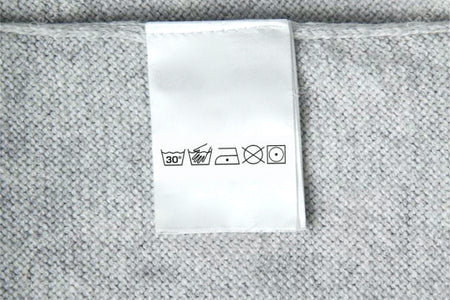
How To Read Care Labels
According to Fashion Revolution, 70% of clothes we throw away have irreversible damage, such as colour fading, stubborn stains or shrinking. With…
Read the article →Your wardrobe is in good hands.
Enter your postcode. Pay only after inspection.
Or call 020 8004 2630